
Automatic car washes have become part of modern car ownership because they are fast, convenient, and inexpensive. Most drivers pull in expecting a simple exchange: a few minutes of waiting in return for a cleaner vehicle. What many do not realise is that the same process removing dirt from the surface may also be introducing the first signs of long-term paint deterioration.
The issue is not that automatic car washes instantly ruin a vehicle. If that were the case, nobody would use them. The problem is that the damage develops gradually, often slowly enough that owners never connect the cause to the result. By the time the paint begins looking dull, tired, or covered in swirl marks, the process has usually been happening for years.
What Happens Inside the Tunnel
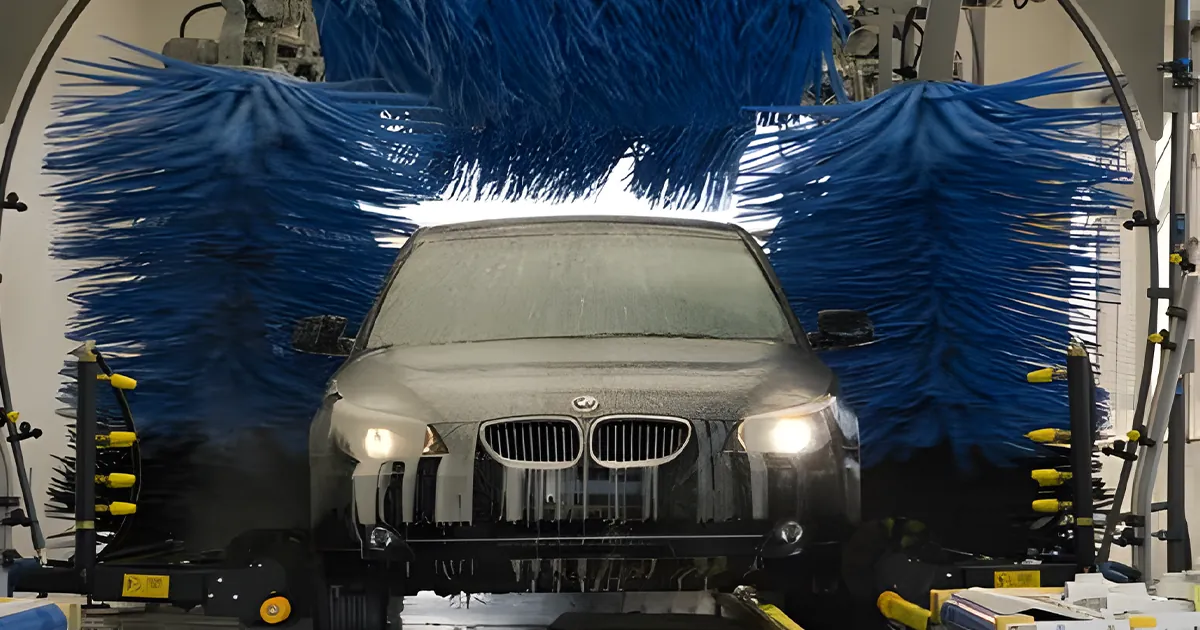
Most automatic wash systems rely on brushes, cloth strips, or other contact surfaces that touch every vehicle passing through the tunnel. Throughout the day, those materials collect road grime, brake dust, sand, and other abrasive particles from hundreds of cars. Even with regular maintenance, it is impossible to guarantee that every contaminant is removed before the next vehicle enters the system. Consumer Reports notes that retained dirt particles within automatic wash equipment can contribute to paint damage over time.
From a distance, this may not sound particularly serious. After all, a few grains of dirt seem insignificant compared to the forces a vehicle experiences on the road. The difference is that road contamination usually strikes isolated areas, while an automatic wash repeatedly drags abrasive material across every painted surface. The action is controlled, consistent, and repeated thousands of times over the life of the vehicle.
How Swirl Marks Form
Modern paint systems are especially vulnerable to this kind of wear. Many drivers assume contemporary automotive paint is tougher than ever because vehicle manufacturing has become increasingly advanced. In reality, modern clear coats are often more susceptible to visible scratching than people expect. Environmental regulations and evolving paint technology have changed the composition of automotive finishes over the years, creating surfaces that can show defects surprisingly easily when maintained incorrectly.
This is one reason paint damage often appears sooner than owners anticipate. The marks are not deep enough to attract attention individually, although they accumulate relentlessly. Every wash introduces microscopic scratches into the clear coat. Under soft lighting they remain invisible, but sunlight reveals the truth. Reflections lose sharpness, darker colours begin looking hazy, and the surface develops the familiar spiderweb pattern commonly referred to as swirl marks.
The gradual nature of this damage is precisely what makes it difficult to identify. Nobody leaves an automatic car wash and immediately thinks their paint has been harmed. The vehicle looks cleaner than it did ten minutes earlier. The glass sparkles, the bodywork shines, and the convenience feels worthwhile. The deterioration only becomes obvious when viewed across months or years rather than individual visits.
Why Black Cars Reveal the Truth
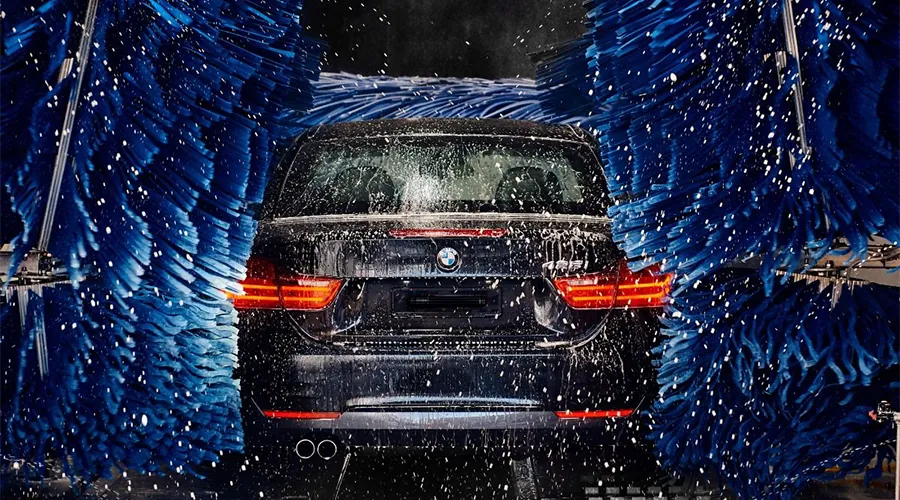
Black vehicles provide perhaps the clearest example of this phenomenon. Owners of black cars often believe their paint is unusually fragile because every imperfection seems visible. In reality, black paint simply exposes defects more honestly than lighter colours. The same swirl marks that remain hidden on silver, white, or grey vehicles become immediately apparent against a dark reflective surface.
This creates an interesting misconception within the automotive world. Many people think black paint is harder to maintain when what they are really seeing is evidence of maintenance methods that would affect any colour. A black vehicle acts almost like a magnifying glass, revealing the cumulative effects of years spent moving contaminated brushes across the surface.
Professional detailers encounter this regularly. Vehicles that appear well maintained under workshop lighting can look dramatically different once inspected outdoors. Under direct sunlight, years of automatic washing become visible all at once. The paint loses the crisp reflections it once had, replaced by a network of fine defects that scatter light in every direction. The vehicle still looks clean, although it no longer looks refined.
The Real Cost of Convenience
Correcting this damage is possible, but it comes at a cost. Paint correction works by levelling the clear coat and removing a microscopic layer of material until the defects disappear. The results can be remarkable, restoring depth and clarity that many owners assumed had been lost permanently. Yet every correction removes part of the protective layer covering the paint. It is a restorative process, not something that should be repeated unnecessarily.
This is where the economics of automatic car washes become less straightforward. Their appeal comes from affordability and convenience, but the long-term consequences can become surprisingly expensive. Years of accumulated wash marring often require extensive machine polishing to reverse, transforming what seemed like a series of inexpensive maintenance decisions into a much larger investment later.
The Effect on Paint Protection
The impact extends beyond paint defects. Automatic car washes can also shorten the lifespan of protective products applied to the vehicle. Waxes, sealants, ceramic maintenance sprays, tyre dressings, and trim protectants all face repeated exposure to detergents designed to clean quickly and efficiently. Some wash systems rely on stronger chemicals to compensate for the limited time available to remove contamination, and those chemicals do not always distinguish between dirt and protection.
Owners often notice the effects indirectly. Water stops beading as it once did. The paint becomes more difficult to dry. Road grime seems to cling to the surface more aggressively. What appears to be the failure of a protective product is often the result of repeated exposure to harsh cleaning processes that gradually stripped it away.
Why the Damage Goes Unnoticed for So Long
Perhaps the most misleading aspect of automatic car washes is how effectively they hide their own impact. Most drivers evaluate a wash based on immediate results. If the vehicle leaves looking cleaner, the service appears successful. Paint, however, should be judged over years rather than minutes.
A freshly washed vehicle can still carry thousands of microscopic scratches. It can still lose protective products. It can still be ageing faster than it should. None of those issues are obvious when the paint is wet and freshly cleaned. They reveal themselves gradually, often long after the cause has become part of the owner's routine.
This is why professional detailers approach washing differently. The objective is not merely to remove dirt. The objective is to remove dirt while preserving the integrity of the surface underneath. Every contact point, every towel, every wash mitt, and every cleaning product is chosen with that balance in mind.
Automatic car washes operate under a different set of priorities. Speed, efficiency, and volume are essential to their business model. Paint preservation is secondary. Every vehicle receives largely the same treatment regardless of its condition, contamination level, paint colour, or existing protection.
The damage does not happen overnight. That is precisely why it matters.
One visit rarely changes anything. Fifty visits tell a different story. A hundred visits tell an even clearer one.
Automatic car washes are more damaging than most people think because their effects are cumulative. They slowly reshape the finish through repetition, replacing sharp reflections with haze and turning routine maintenance into a source of long-term wear.
The vehicle still becomes clean. The paint just pays a higher price than most owners realise.
Frequently Asked Questions
Do automatic car washes scratch paint?
Yes, over time. Automatic car wash brushes and cloth strips collect abrasive particles from hundreds of vehicles throughout the day. When those materials contact your paint, they drag contamination across every panel. The damage is microscopic at first, but repeated visits introduce thousands of fine scratches that gradually dull the finish and create the swirl marks visible under direct sunlight.
Why does my black car show so many swirl marks?
Black paint does not scratch more easily than lighter colours. It simply reveals defects more honestly. The same swirl marks that remain hidden on silver or white vehicles become clearly visible against a dark reflective surface. If your black car is showing heavy swirl marks, the cause is almost always the wash method used over time, not the paint itself.
Can paint correction fix automatic car wash damage?
In most cases, yes. Paint correction works by levelling the clear coat and removing the layer of material where defects are embedded. The results can be significant, restoring depth and clarity that many owners assumed was gone permanently. However, each correction removes a small amount of clear coat, so it is not a process that should be repeated indefinitely. Prevention through safer wash methods is always preferable.
How Monza Can Help
Whether the damage is already there or you want to prevent it from happening, we have two services built for exactly this situation.
Swirl & Scratch Removal
Years of automatic washing leave a clear record in the clear coat. Our paint correction process levels those defects, restoring sharp reflections and colour depth without repainting. We inspect every panel under direct lighting before we start, so you know exactly what you are getting.
Learn MoreCeramic Coating
Once the surface is corrected, a ceramic coating protects it properly. It forms a semi-permanent bond with the clear coat, making the paint more resistant to contamination, easier to wash safely, and far less dependent on the kind of maintenance that caused the damage in the first place.
Learn More