
Why the Same Coating Produces Different Results
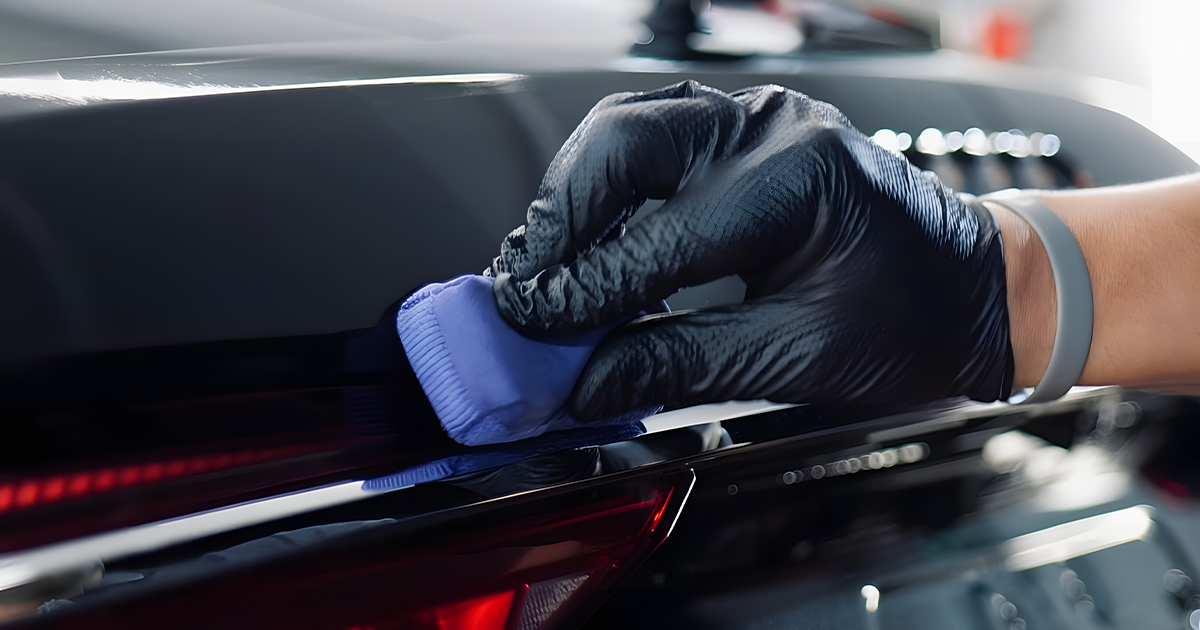
Ceramic coatings are usually presented as standalone products, as though the bottle alone determines the outcome. In reality, the coating behaves more like a transparent layer of preservation. It seals, amplifies, and protects whatever sits beneath it, whether that surface was prepared carefully or rushed through in a few hours under dealership lighting.
This is why two vehicles coated with the exact same product can age completely differently. One may retain sharp reflections and strong hydrophobic behaviour years later, while another begins showing inconsistent water behaviour after a single season. That difference almost always starts long before the coating touches the paint.
A Polished Car Is Not a Prepared One
Most modern vehicles can be made to look glossy very quickly. Fillers, finishing oils, and silicone-heavy products create immediate visual impact, especially on darker paint colours under indoor lighting. To an untrained eye, the finish looks immaculate. None of that means the surface is ready for a ceramic coating.
The problem becomes visible later, usually after the first few washes or the first stretch of harsh weather. Water stops behaving consistently across the panels. Certain areas lose hydrophobic properties earlier than others. People often describe this as coating failure, although the coating itself may have bonded exactly as well as the underlying surface allowed it to.
A ceramic coating forms a semi-permanent bond with the surface beneath it, which means any oils, fillers, or contamination left behind become part of the equation. If the paint was poorly corrected or improperly stripped before application, the coating locks that condition in place.
Where the Visual Transformation Actually Comes From
Many owners assume the dramatic visual improvement they see after ceramic coating comes from the coating itself. In most cases, it comes from paint correction carried out beforehand. Proper correction changes the surface itself: swirl marks are levelled, oxidation is removed, haze disappears, and light reflects more evenly across the clear coat.
Without correction, the coating has very little to work with. In some situations, it can even make defects easier to notice under direct sunlight because the increased clarity exposes what was already there. A heavily swirled vehicle coated without proper preparation may still bead water beautifully, but the paint will continue showing every imperfection underneath.
What Proper Preparation Actually Involves
The preparation process is far less glamorous than coating application videos online, yet it determines nearly everything about the final result. A thorough preparation typically involves several distinct stages, each one affecting the quality of the next.
Chemical Decontamination
Decontamination removes substances that standard washing leaves behind: brake dust particles, industrial fallout, tar residue, and mineral contamination that gradually embed themselves into the paint over time. Much of this contamination remains invisible until specialised chemicals react with it. A white vehicle can look clean after washing while carrying thousands of embedded iron particles across the lower doors and rear bumper.
Clay Treatment
Clay treatment follows chemical decontamination because bonded contaminants remain attached to the paint even after washing and iron removal. This stage physically removes those particles from the clear coat, leaving the surface smoother and more stable for correction work. Skipping it compromises the polishing process that follows.
Paint Correction
Paint correction is the controlled levelling of defects within the clear coat. Depending on the vehicle, that may involve removing years of improper washing marks, dealership-installed holograms, water spot etching, or oxidation from environmental exposure. Lighting plays a major role here: a vehicle that appears flawless indoors can look heavily damaged under direct LEDs or natural sunlight.
This is why experienced installers spend considerable time inspecting paint before coating application begins. Some of the best ceramic coating jobs involve days of washing, correction, inspection, and panel preparation before the coating bottle is even opened.
- Full wash and pre-rinse to remove loose surface contamination
- Chemical iron fallout treatment and tar removal
- Clay bar treatment to strip bonded surface contaminants
- Paint correction to level swirl marks, haze, and oxidation
- Panel wipe-down with IPA solution to strip oils and residue before coating
The Dealership Coating Problem
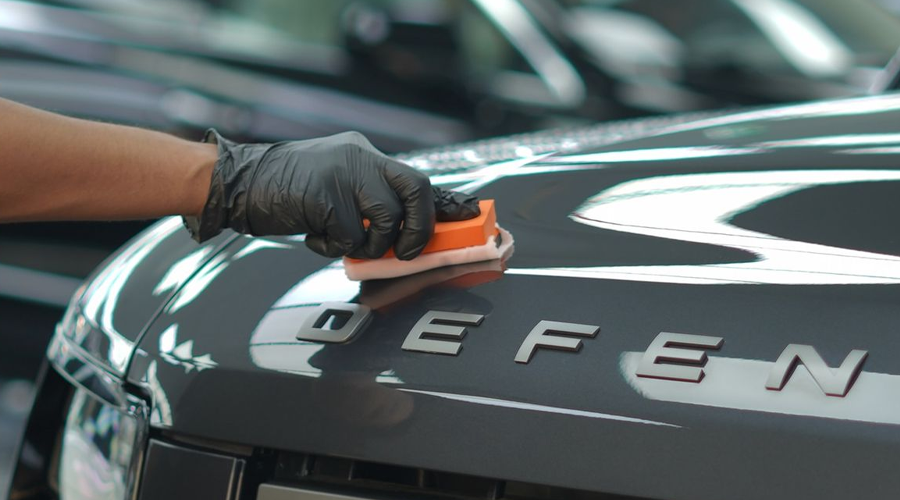
Rushed dealership coatings generate a large amount of scepticism among enthusiasts and professional detailers alike. Many dealership packages advertise ceramic protection while dedicating minimal time to preparation. The vehicle may receive a quick polish, a spray-applied product, and immediate delivery to the customer.
Initially, the finish may look impressive enough under showroom lighting. Long-term behaviour often reveals the shortcuts taken during installation. Again, the issue is rarely the concept of ceramic coatings themselves. It is the assumption that the coating matters more than the surface underneath it.
What to Expect After a Proper Coating
Ceramic coatings do not eliminate maintenance entirely. They reduce it significantly when installed correctly, but the surface still responds to environmental conditions. Water spots can still occur, particularly in hot climates where mineral-heavy water evaporates quickly on warm paint. Improper washing can still introduce scratches over time.
The difference is that a properly prepared and coated surface becomes easier to maintain. Contamination struggles to bond as aggressively to the paint, washing becomes less abrasive, and long-term cleaning requires less effort overall. The coating changes how the surface behaves, but it cannot compensate for poor habits or poor preparation indefinitely.
If the preparation was thorough, the finish develops a sharpness and consistency difficult to replicate with temporary products. If it was rushed, the coating preserves inconsistency instead. That is why ceramic coatings rarely fail in isolation. The coating only finishes the process. It does not rescue it.
Frequently Asked Questions
Why did my ceramic coating stop beading water after a few months?
Inconsistent water behaviour after a ceramic coating is usually caused by poor surface preparation before application. Contamination, polishing residue, or oils left on the paint prevent the coating from bonding evenly, leading to patchy hydrophobic performance over time.
Do I need paint correction before a ceramic coating?
In most cases, yes. Ceramic coatings preserve whatever surface they are applied to, including swirl marks, haze, and other defects. Paint correction removes those defects before coating, ensuring the final result is both visually sharp and durable.
How long does proper ceramic coating preparation take?
A thorough preparation process can take anywhere from one to several days depending on the condition of the paint. It typically includes a full wash, chemical decontamination, clay treatment, paint correction, and panel wipe-down before the coating is ever applied.