
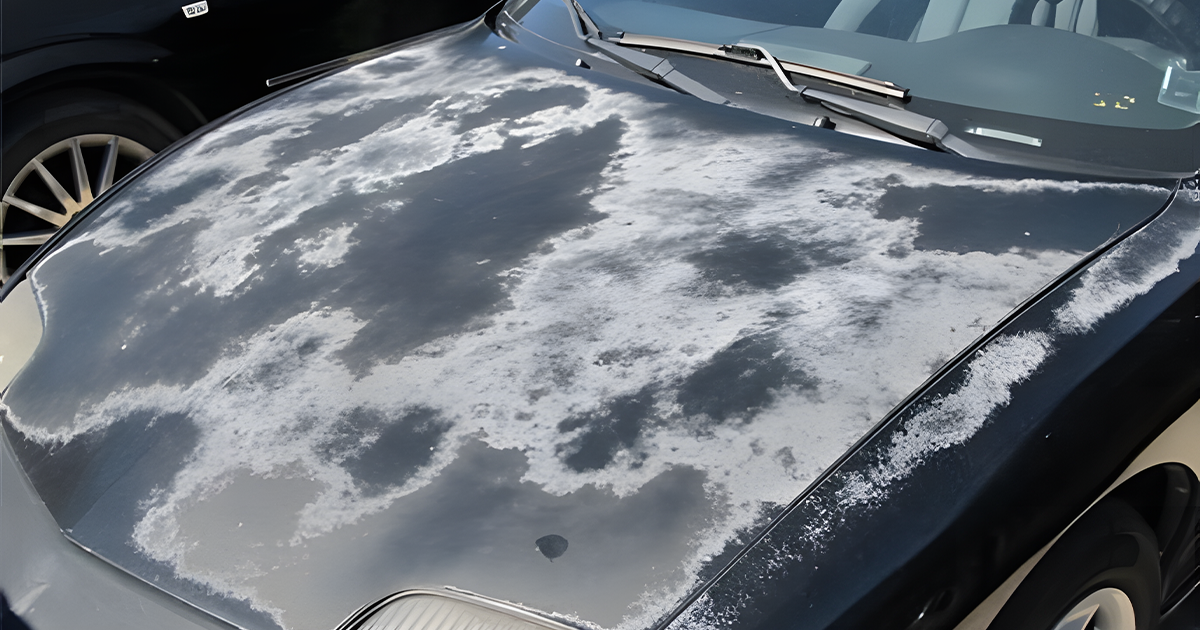
It settles quietly. After a short drive through regional roads or even a windy afternoon in the suburbs, a fine layer forms across every exposed surface. It looks harmless at first glance. Most vehicles appear simply dusty, nothing more. Under closer inspection, that layer behaves differently.
Bush dust is composed of extremely fine mineral particles. Quartz, silica, fragments of soil and sand, along with organic material carried through the air. Some of these particles are harder than automotive clear coat, which changes the way they interact with paint surfaces. A parked vehicle does not suffer from dust alone. The movement of dust across paint is where the damage begins.
A light touch, a dry cloth, or even a careless wash can shift those particles across the surface. Each movement introduces the possibility of microscopic abrasion. The marks are not visible individually, but they accumulate over time. This gradual accumulation is what eventually changes the appearance of a vehicle. Gloss becomes softer. Reflections lose sharpness. Dark paint begins to show faint swirling under direct light.
The process is slow enough that many owners do not associate the change with dust at all.
Why bush dust behaves differently in Australia
Australia’s environment intensifies the presence of airborne particles. Extended dry periods allow soil and sand to break down into finer dust. Strong winds carry it across large distances. Rural roads generate additional particulate matter every time a vehicle passes through them.
Even vehicles that rarely leave urban areas are affected. Dust does not require direct contact with dirt roads to become a problem. It travels, settles, and remains suspended long enough to coat surfaces repeatedly.
The combination of heat and UV exposure adds another layer to the issue. Warm surfaces attract particles more readily, and prolonged sunlight gradually hardens contaminants once they settle. Over time, this creates a constant cycle. Dust settles, is disturbed, and settles again.
How damage actually occurs
The surface of modern automotive paint is protected by a clear coat designed to resist weathering and chemical exposure. It is durable in a broad sense, but it is not immune to fine abrasion. The particles found in bush dust are often harder than the clear coat itself. Quartz and silica, in particular, behave like microscopic cutting tools when dragged across a surface.
Damage does not require force. Pressure only accelerates it. The simple act of wiping dust from a panel introduces enough movement for particles to create fine scratches.
Individually, these scratches are too small to see. Collectively, they change how light reflects off the paint. Instead of a clean, sharp reflection, the surface begins to scatter light. This scattering produces haze and the familiar circular patterns known as swirl marks.
The effect is most noticeable under direct sunlight or artificial lighting at close range. Under softer light, the same paint may still appear acceptable, which is why the damage often goes unnoticed until it becomes widespread.
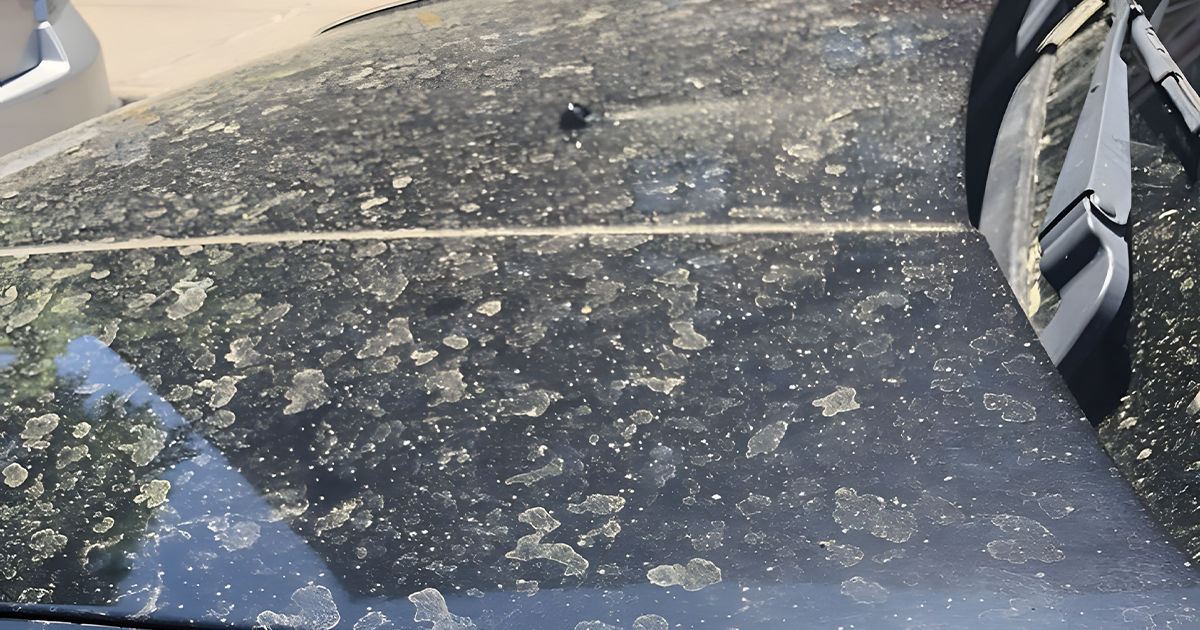
The role of washing and daily habits
Most paint damage linked to bush dust does not come from driving. It comes from cleaning.
A vehicle coated in fine dust looks ready for a quick wipe-down. A dry microfiber towel feels safe enough for the job. The issue lies in what cannot be seen.
Dust particles remain trapped between the towel fibres and the paint surface. As the towel moves, those particles are dragged across the clear coat. The motion is repeated across panels, door handles, mirrors and roof sections.
Even careful washing techniques can introduce risk if dust is not removed properly beforehand. When dust is left on the surface during contact washing, wash mitts and sponges pick it up and redistribute it across the paint.
This is why preparation steps in professional washing methods focus heavily on removing loose contamination before any physical contact is made. The difference between a clean surface and a contaminated one is subtle in appearance but significant in effect.
Dust accumulation across different surfaces
Paintwork is only part of the equation. Bush dust settles across nearly every exterior surface of a vehicle.
Glass collects a fine film that can reduce clarity over time. Windscreen wipers, when used repeatedly on contaminated glass, contribute to faint streaking or micro-scratches.
Wheels are particularly exposed. Brake dust combined with environmental particles creates a layer that adheres tightly to alloy surfaces. If left for extended periods, this mixture becomes increasingly difficult to remove without strong agitation.
Trim pieces, badges and rubber seals also collect dust. These areas often retain moisture longer than flat panels, which allows particles to bond more firmly to the surface.
Even protective coatings and films are not immune. While they offer resistance to environmental damage, they still require correct maintenance to avoid surface abrasion.
Moisture and contamination bonding
Dry dust is only part of the story. Moisture changes how particles behave once they settle on a vehicle.
Morning dew, light rain or even high humidity can cause dust to adhere more strongly to surfaces. As the moisture evaporates, minerals within the dust remain behind.
These residues are often the source of water spotting. When exposed to heat and sunlight, the deposits can begin to etch into the surface layer. The longer they remain, the more difficult they become to remove without mechanical correction.
This interaction between moisture and dust explains why vehicles parked outdoors often show more contamination-related wear than those stored under cover, even when they are washed regularly.
Long-term effects on paint appearance
The visual changes caused by repeated dust exposure are gradual.
Early signs include a reduction in gloss and a slightly muted reflection. As the pattern continues, swirl marks become more defined, particularly on horizontal surfaces such as bonnets and roofs.
Darker colours reveal these changes earlier, while lighter paints tend to mask them until the damage becomes more pronounced.
Over extended periods, the cumulative effect is a surface that no longer reflects light cleanly. Instead of depth and clarity, the paint develops a uniform haze.
This change is often mistaken for natural ageing, when in reality it is the result of repeated micro-abrasion.
Preservation through technique and awareness
The way a vehicle is maintained has a direct impact on how it ages.
Allowing dust to remain undisturbed until proper washing takes place reduces the risk of abrasion. Introducing lubrication during cleaning minimises contact friction. Avoiding dry wiping prevents unnecessary scratching.
These practices do not eliminate dust, but they change how it interacts with the surface. Over time, consistent maintenance habits preserve paint clarity and reduce the need for corrective polishing. The difference becomes more noticeable with age rather than immediately.
Vehicles maintained with care retain sharper reflections and a more defined finish even after years of use in demanding conditions.
Conclusion
Bush dust is a constant presence in Australian driving conditions. Its effect on automotive paint is not immediate or dramatic, which makes it easy to overlook.
Damage develops through repetition rather than isolated events. Each small interaction contributes to a gradual loss of clarity in the paint surface.
Understanding how this process works allows owners to approach maintenance with greater awareness. The goal is not to avoid driving or exposure, but to reduce unnecessary abrasion during cleaning and routine care.
A well-maintained finish reflects more than appearance. It preserves the original character of the vehicle and maintains the visual quality intended by the manufacturer long after delivery.